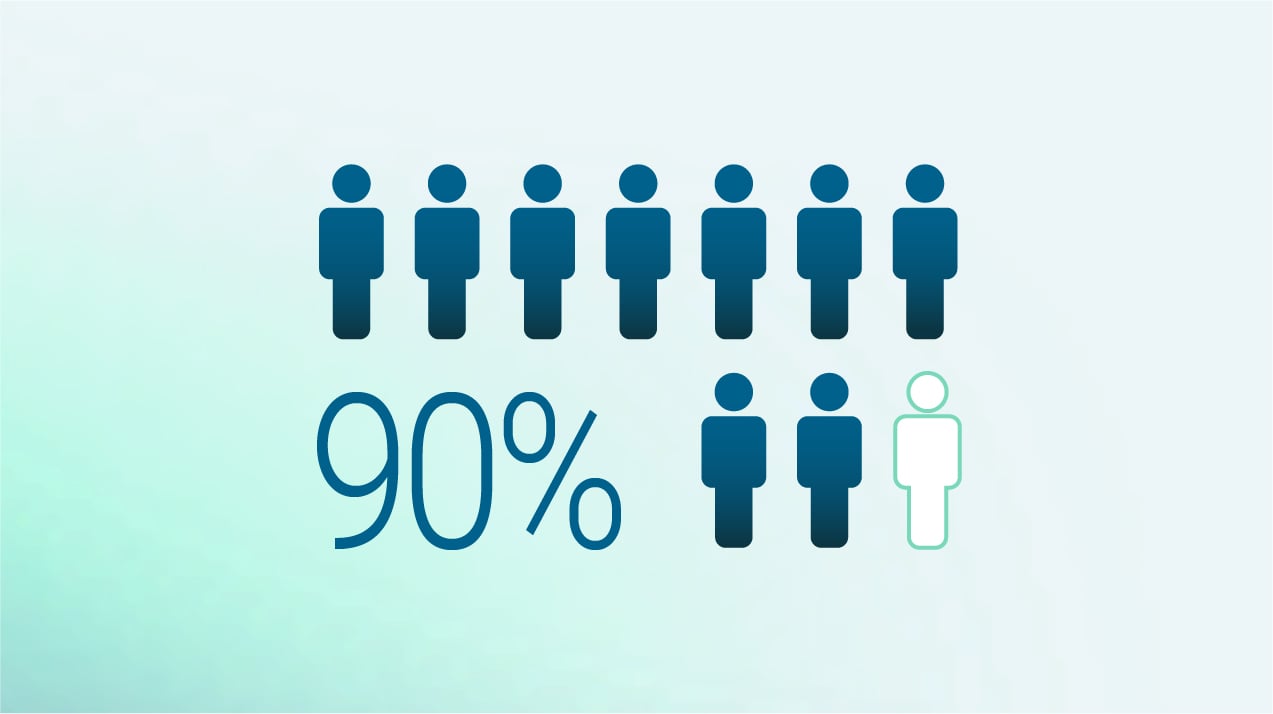
of consumers say security is one of the most important factors when choosing a FI.
Discover the Entersekt difference: built into the platform and the partnership to be context-aware, market-focused, and close to customers.
Leaders and investors Case studies Our delivery process Partners Press releases In the news Compliance and certificationsAlready an Entersekt customer? Have some technical or support questions?
Visit our support pageInterested in joining our team and reshaping the world of authentication?
Check out our careers page
A different approach to digital banking and payment authentication
Whether you’re shaping strategy, evaluating solutions, or staying ahead of emerging threats, this is where you'll find perspectives grounded in industry experience and focused on what works in practice.
Blog Case studies White papers and ebooks Events Videos and webinars Podcasts Glossary and encyclopedia
Swisscard replaces OTPs to authenticate online payments
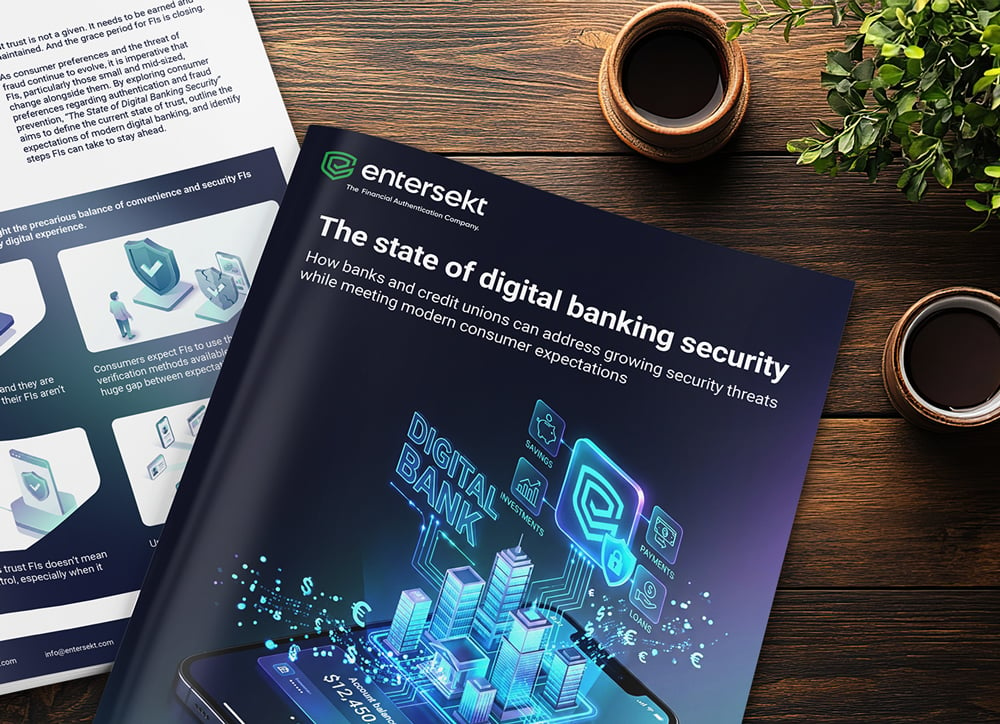
An Entersekt survey report
How banks and credit unions can address growing security threats while meeting modern consumer expectations
An Entersekt survey report
How banks and credit unions can address growing security threats while meeting modern consumer expectations
400+
They were asked about their experience with their primary FI.
90%
When choosing a FI, protection from fraud is top-of-mind.
Nearly 1/2
Just one negative authentication experience is enough of a reason to leave.
Digital banking customers are more security-conscious than ever, and their expectations are evolving just as quickly as fraud threats. This report reveals where financial institutions (FIs) are meeting expectations, where trust is beginning to erode, and what can be done to strengthen relationships while reducing fraud.
Consumers increasingly evaluate FIs based on how well they protect accounts and transactions. Strong security is no longer simply a compliance requirement—it's a deciding factor in customer acquisition and retention.
of consumers say security is one of the most important factors when choosing a FI.

Customers are willing to switch institutions if they don't trust the authentication experience offered to them, making modern authentication a key driver of long-term loyalty.
would consider leaving their FI based on its authentication methods alone.
Many FIs continue to rely on authentication methods that customers no longer consider secure, highlighting a growing gap between security investment and customer confidence.
of consumers consider SMS one-time passwords to be the most secure authentication method, despite 46.7% reporting their FI still uses them.
Consumers increasingly evaluate FIs based on how well they protect accounts and transactions. Strong security is no longer simply a compliance requirement—it's a deciding factor in customer acquisition and retention.
90%
of consumers say security is one of the most important factors when choosing a FI.
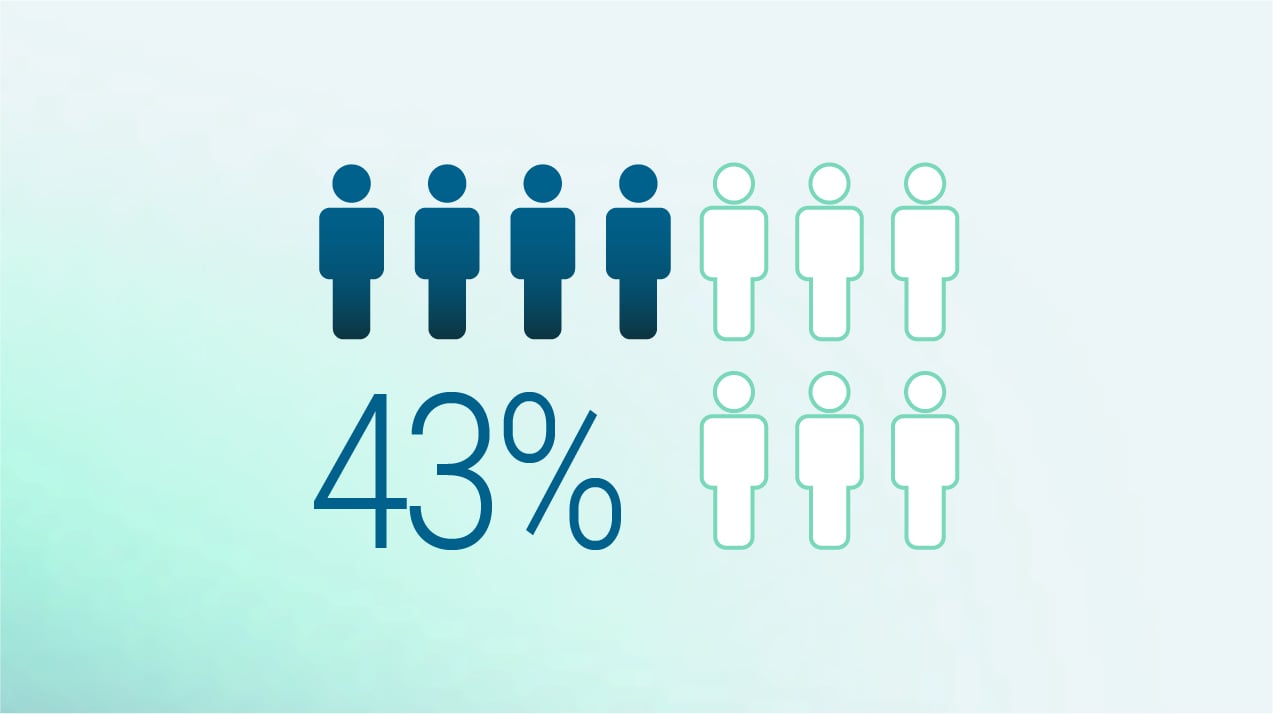
Customers are willing to switch institutions if they don't trust the authentication experience offered to them, making modern authentication a key driver of long-term loyalty.
43%
would consider leaving their FI based on its authentication methods alone.
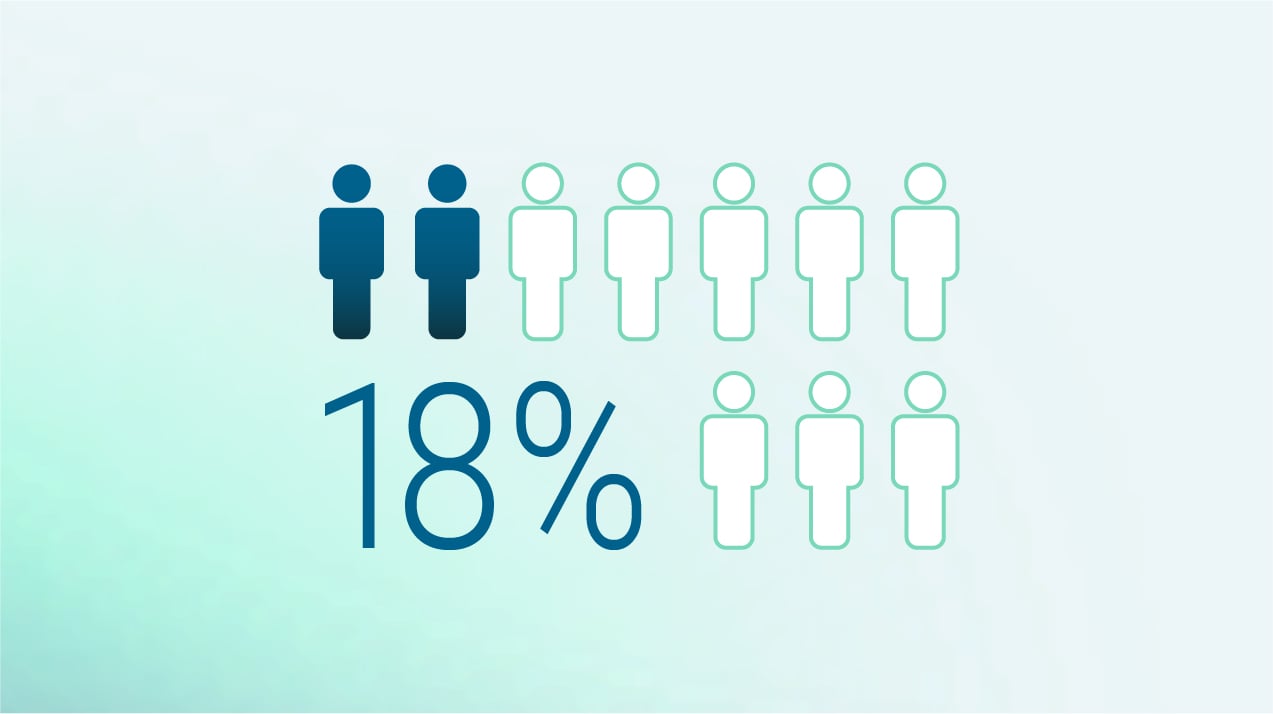
Many FIs continue to rely on authentication methods that customers no longer consider secure, highlighting a growing gap between security investment and customer confidence.
18.2%
of consumers consider SMS one-time passwords to be the most secure authentication method, despite 46.7% reporting their FI still uses them.

Consumers trust their FI to protect them from fraud, but many still want greater visibility and choice over how security decisions are made on their behalf.
28%
want an active role in deciding which transactions are flagged for review, even though 59% trust their FI to identify suspicious activity.
Customers expect digital banking to be both secure and effortless. Delivering adaptive, intelligent authentication without introducing unnecessary friction is becoming essential for meeting those expectations.
1 in 3
transactions are abandoned because consumers find the process too inconvenient, underscoring the importance of frictionless security.
“The authentication landscape must balance complex security requirements, evolving fraud threats and growing user experience expectations. The FIs that prioritize identifying where the line of acceptable friction is for consumers will improve the authentication experience while enhancing security.”
See how partnering with Entersekt enabled Chartway Credit Union to create more positive digital banking experiences for their members. By reducing false declines, inbound fraud-related calls also dropped by up to 25%, significantly easing pressure on contact center operations.
Your customers have spoken